In recent years, South Africa has intensified its efforts to address youth unemployment, economic stagnation, and limited access to entrepreneurial opportunities.
One key avenue of change was found in international cooperation, specifically through South Africa’s involvement in BRICS. The powerful bloc of Brazil, Russia, India, China, and South Africa can prove to be incredible. The impact of BRICS on youth empowerment, especially through innovation, became increasingly evident. BRICS provides a platform for collaboration and idea exchange.
The BRICS Youth Innovation Summit: A Defining Moment
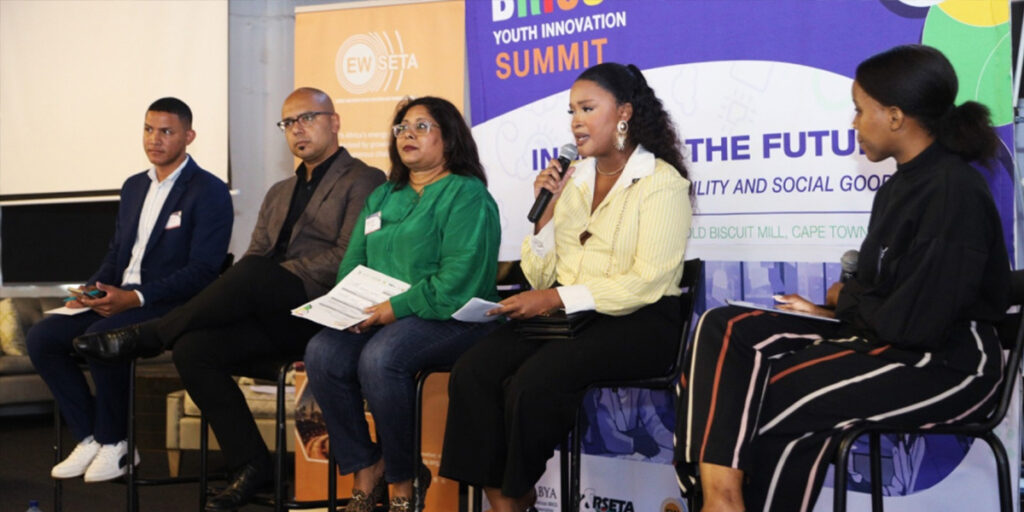
On 10–11 April 2025, the BRICS Youth Innovation Summit was held in Cape Town. The event drew hundreds of young entrepreneurs, innovators, researchers, and policymakers from across the BRICS nations. Hosted by the South African BRICS Youth Association (SABYA), the summit focused on sustainable development, technological collaboration, and entrepreneurial support.
Participants shared innovative solutions addressing key global challenges, such as climate change, digital education, and youth unemployment. The summit created a space where young minds could not only network and share insights. It also provided a space to build concrete strategies to advance innovation across BRICS countries.
Delegates attended panels on artificial intelligence, green technology, digital economies, and inclusive education. Notably, many South African youth participants showcased startup ideas that targeted local challenges. These included projects on digital literacy in rural communities and renewable energy access.
This summit was not just symbolic; it was a practical demonstration of the impact of BRICS. It was a showcase of how collaboration can empower youth through innovation. It also marked a turning point in how South African youth viewed themselves. Not merely as recipients of policy, but as drivers of change.
South Africa’s Strategic Role in BRICS
As the only African member of BRICS, South Africa continues to play a critical role in ensuring that the needs and aspirations of young people across the continent are included in the broader BRICS agenda. The country has been an active participant in economic and educational initiatives driven by BRICS, leveraging the platform to secure funding, capacity-building, and policy support.
The impact of BRICS on South African development is felt in areas such as technology transfer, knowledge sharing, and access to large-scale infrastructure investment. By actively participating in BRICS projects, South Africa gains opportunities to integrate its youth into global innovation ecosystems.
Beyond the summit, South Africa continues to advocate for African youth voices to be heard in other forums, such as BRICS Education Ministers’ meetings and joint university research programmes. These efforts are part of a larger vision to ensure long-term socio-economic transformation driven by innovation.
Technology and Innovation: Fuel for Economic Growth
One of the most significant contributions of BRICS to youth empowerment is its focus on innovation and digital transformation. Member countries recognised the urgency of adapting to a technology-driven global economy, especially in a post-COVID world.
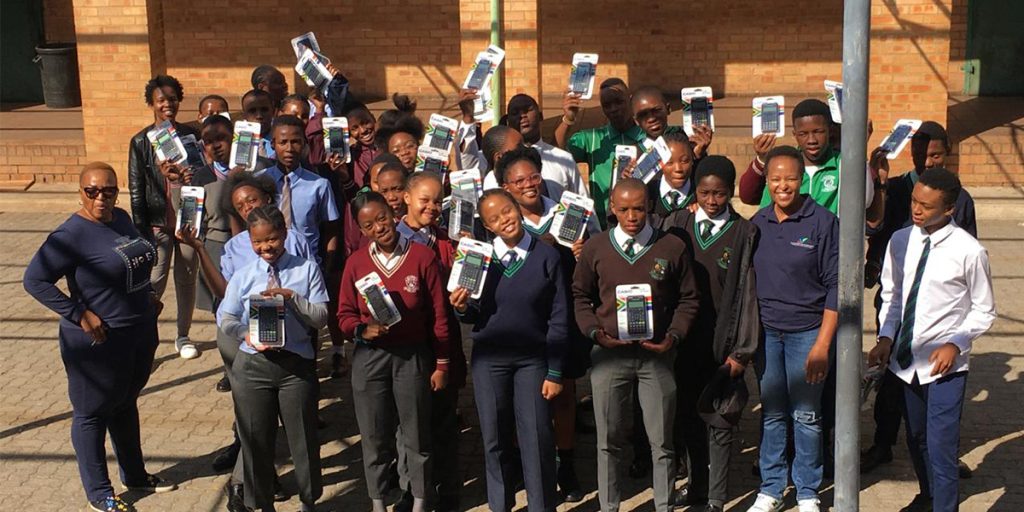
For South Africa, this translates into increased investment in digital skills development, e-learning platforms, and STEM-based education. The government, in collaboration with private-sector partners, have launched several initiatives that encourage coding in schools, AI education, and online entrepreneurship training.
The impact of BRICS is visible in the resources shared among member countries: funding for research, access to digital infrastructure, and scholarships for technological training. Russian and Chinese universities, for example, offer exchange opportunities for South African students in fields such as robotics, data science, and green technology.
This drive towards innovation positions South African youth not only as job seekers but as job creators. With increased exposure to global best practices and collaborative projects, more young South Africans began developing their own startups, apps, and social enterprises.
The Power of Local Support: Families, Industry and Communities
While BRICS provides an international platform, real empowerment stems from local ecosystems. Parents, guardians, and educators play a crucial role in shaping the mindset of young innovators. When young people are encouraged by their families to take risks, to learn coding, or to pitch a business idea, the ripple effects are far-reaching.
Industry leaders also step in to offer internships, mentoring, and investment in youth-led projects. These partnerships give young entrepreneurs the tools, networks, and confidence to pursue innovation-driven careers. Startups receive funding from corporate incubation hubs. Universities collaborate with companies to launch accelerator programmes. The private sector begins to see youth empowerment not as a charity initiative, but as a long-term investment.
The impact of BRICS has become especially powerful when combined with this grassroots encouragement. Together, global opportunity and local support create a fertile environment for growth.
The Role of Organisations Like FutureSA Foundation
FutureSA Foundation remains at the forefront of these developments, championing the importance of youth innovation as a national priority. Through its various programmes, FutureSA Foundation promotes entrepreneurship, digital literacy, and career development for South African youth.
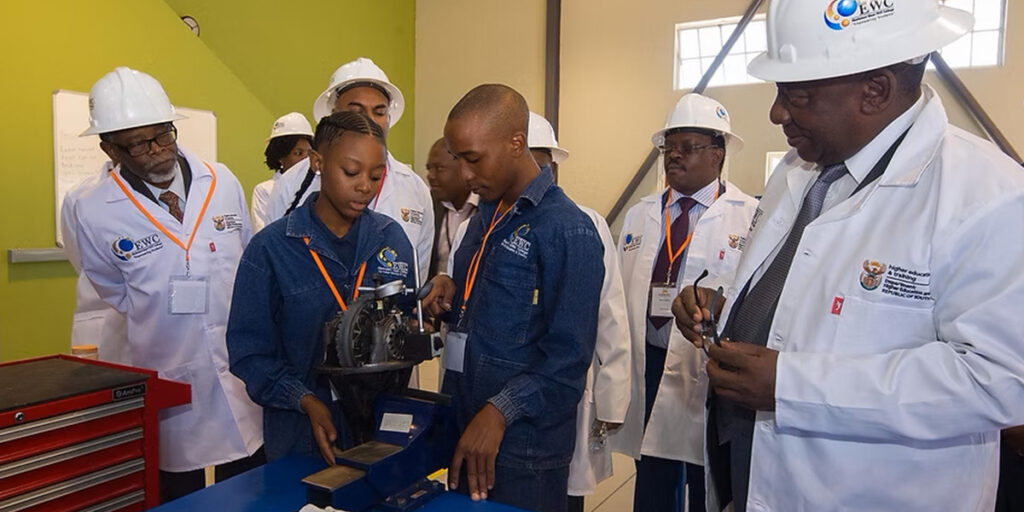
The Foundation partners with TVET colleges and STEM-focused institutions to deliver training, mentorship, and tools to learners from disadvantaged backgrounds. It also advocates for greater inclusion of young women in technology sectors, recognising that true innovation must be inclusive.
FutureSA is using the momentum from events like the BRICS Youth Innovation Summit to galvanise public and private sector interest in youth-led innovation. The Foundation’s campaigns highlight the critical need for systemic change — from improving access to tech infrastructure in schools to revising curricula that nurtures problem-solving and design thinking.
By positioning youth at the centre of national development, FutureSA aligns perfectly with the BRICS vision: empowering the next generation through innovation and cooperation.
The Lasting Impact of BRICS
Looking back on the BRICS Youth Innovation Summit and South Africa’s broader role in the bloc, one theme stands out: possibility. The impact of BRICS on South African youth empowerment is not just about events or policies; it was about mindset shift.
Young people left the Cape Town summit believing in their own potential. They connected with peers across borders. They returned home with ideas to develop, businesses to start, and networks to grow.
In a world where traditional job creation may not keep pace with population growth, South Africa’s young innovators now carry a new torch — one that lights the way towards self-employment, sustainability, and global relevance.
And in the backdrop of that transformation, the impact of BRICS will remain as both a catalyst and a bridge — connecting South African youth to a future shaped by innovation.