
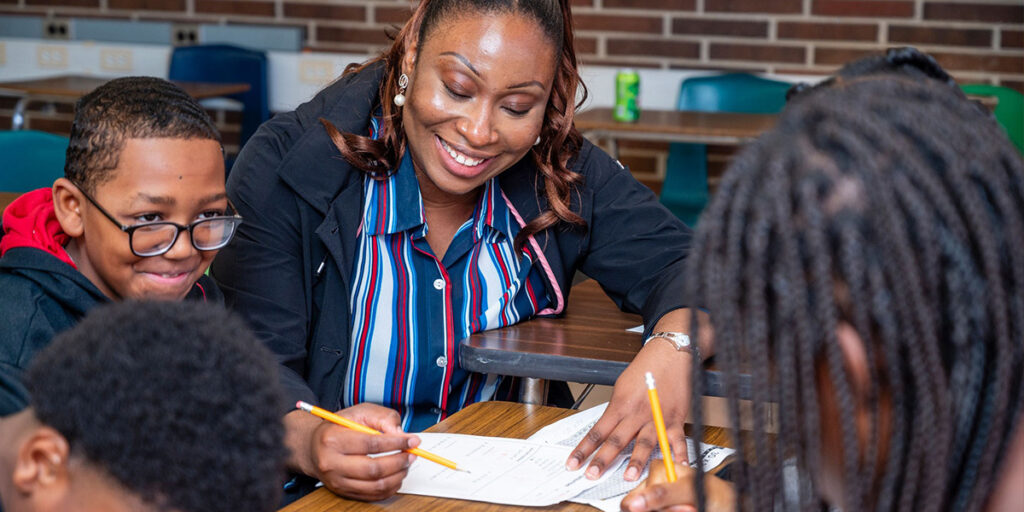
When most people think about tutoring, they imagine extra lessons designed to boost grades in Mathematics, Science, or English. While tutoring certainly improves academic performance, its value goes much deeper. Tutoring is not only about helping learners understand equations or essays. It is also about teaching young people how to learn, how to cope with challenges, and how to believe in themselves.
At FutureSA Foundation, we see tutoring as a powerful tool for youth development. It helps learners build resilience, self-study habits, and emotional strength—qualities that are especially important during critical stages like Grade 7, Grade 9, and Grade 12.
Tutoring Builds Resilience
One of the most important lessons tutoring teaches is resilience. Learners often come to a tutor feeling overwhelmed. They may struggle with specific topics or have lost confidence after repeated setbacks. Tutoring provides a safe, focused environment where they can tackle these challenges step by step.
When learners experience progress through consistent practice and guidance, they begin to see failure differently. Instead of viewing mistakes as proof that they “cannot do it,” they start seeing them as opportunities to learn. This mindset shift is vital. Resilience gained in tutoring sessions carries into other areas of life, from school projects to personal challenges.
Developing Self-Study Habits
Another powerful outcome of tutoring is the development of independent study habits. In classrooms with large numbers of learners, teachers cannot always give personalised attention. Tutoring fills this gap by modelling how to approach studying in a structured and efficient way.
Tutors show learners how to break tasks into smaller, manageable parts. They encourage the use of revision timetables, practice exercises, and self-testing techniques. Over time, learners internalise these habits and apply them on their own.
Grades may improve, but the bigger victory is that learners learn how to learn. This skill prepares them not only for exams but also for lifelong learning in university, the workplace, and beyond.
Emotional Support and Confidence
Tutoring is as much about emotional support as it is about academics. Many learners feel anxious about schoolwork or fear disappointing their parents and teachers. Tutors often act as mentors who listen, encourage, and guide.
A good tutor celebrates small victories, such as mastering a tricky concept or completing a study schedule. These moments build self-esteem and motivate learners to keep going. Over time, learners start to believe in their ability to succeed. Confidence built in a learning support session can be life-changing, as it empowers young people to take ownership of their futures.
Why Critical Grades Matter
Certain school years play a bigger role in shaping a learner’s future. Grades 7, 9, and 12 stand out as milestones where tutoring provides particularly important support.
- Grade 7: The final year of primary school sets the tone for high school. Learning support sessions help learners strengthen foundation skills and enter Grade 8 with confidence.
- Grade 9: Often called the “decision year,” Grade 9 is when learners choose subject streams that shape future careers. Tutoring at this stage helps them perform well and make informed subject choices.
- Grade 12: The matric year is the most stressful stage in schooling. With university and bursary applications on the line, tutoring provides academic reinforcement, exam preparation, and emotional encouragement to stay focused.
By supporting learners during these key years, tutoring not only boosts marks but also prepares young people for long-term success.
A Holistic Approach to Tutoring
Effective tutoring looks at the whole learner. It combines academic content with mentorship, personal discipline, and wellness. The best tutors act as guides who show learners how to manage time, handle stress, and keep a balance between studies and personal life.
This holistic approach ensures that tutoring does not become a crutch. Instead, it empowers learners to stand on their own, equipped with the skills and mindset to tackle future challenges.
Learning How to Learn
Tutoring is far more than an academic support tool. It teaches resilience, self-study, and confidence. It provides emotional encouragement during some of the most critical years of schooling. And it ensures that learners not only pass exams but also develop the habits and skills they need for the future.
At FutureSA Foundation, we believe tutoring is about learning how to learn. It is about preparing young people for a lifetime of challenges and opportunities, both in the classroom and beyond it. When learners are given this kind of support, they do not just succeed in school; they thrive in life.