
In today’s rapidly evolving digital landscape, technology has become an indispensable component of education worldwide.
This transformation holds particular significance in South Africa, offering innovative solutions to long-standing educational challenges. Learners across the country are increasingly integrating technology into their studies, using digital tools to enrich and expand their learning experiences.
Embracing Digital Learning in South Africa
South African learners are making use of a wide range of technological tools to support their education. From online learning platforms to mobile applications, technology is offering flexible, accessible, and often interactive learning opportunities.
E-learning, defined as “flexible learning using ICT resources, tools, and applications,” focuses on accessing information, enabling interaction between teachers and learners, encouraging collaboration, and supporting the creation of educational materials.
The integration of technology into education allows learners to access an abundance of resources beyond traditional textbooks. Interactive modules, educational videos, and virtual simulations provide diverse learning methods that cater to different learning styles. This digital shift not only enhances the curriculum but also prepares students for a future increasingly shaped by technology.
Government Initiatives and Public-Private Partnerships
Recognising the crucial role of technology in modern education, the South African government has introduced initiatives aimed at bridging the digital divide. Projects such as South Africa Connect aim to provide broadband access to schools, improving connectivity and enabling access to a broader range of digital learning tools.
Additionally, partnerships between the public and private sectors have been key to promoting digital literacy. Organisations such as the Click Foundation and SchoolNet South Africa focus on integrating ICT into classrooms, delivering training and resources to both educators and learners.
Challenges in Technological Integration
Despite this progress, there are still substantial challenges in ensuring the effective use of technology in education. Limited infrastructure, insufficient teacher training, and socio-economic disparities continue to hinder the full potential of digital learning. Research shows that to ensure equitable access to quality education, comprehensive strategies are needed to address these systemic issues.
The COVID-19 pandemic further highlighted these gaps. When schools were forced to shift to remote learning, many struggled to adapt due to a lack of resources or digital readiness. This emphasised the ongoing need for investment in infrastructure, teacher development, and long-term support for schools adopting technology-driven solutions.
Our Commitment to Technological Advancement
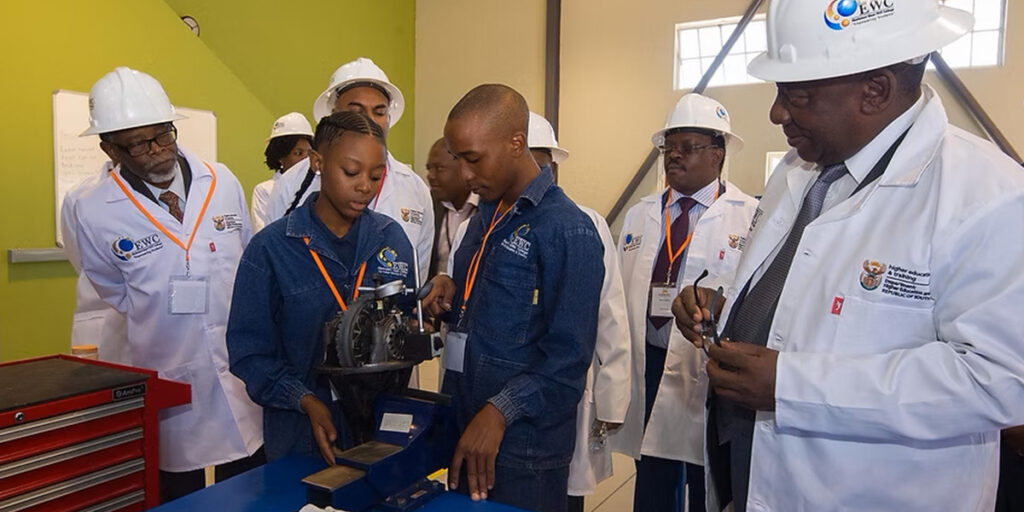
At FutureSA Foundation, we understand that technology is not just a support tool for learning — it is a foundational pillar for the careers of tomorrow. We believe that empowering learners with digital literacy and technological skills is crucial to enabling them to thrive in an increasingly digital world.
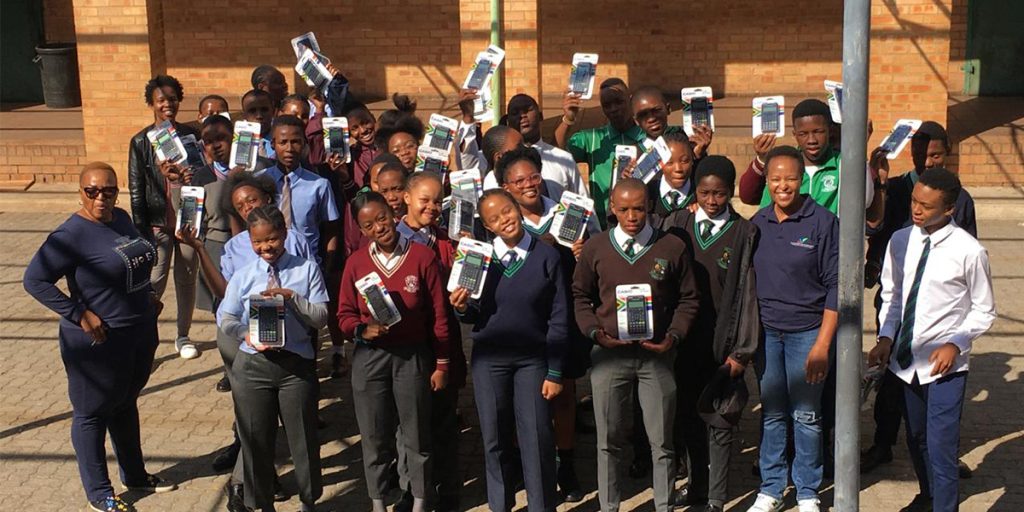
Our programmes are designed to promote and encourage the use of technology across various learning environments. From supporting access to digital tools, offering educator training, and helping develop curriculum-aligned digital content, we are committed to ensuring that learners from all backgrounds are prepared for a future shaped by innovation.
By championing the integration of technology into education, we aim to create inclusive, forward-thinking spaces that allow young people to explore, grow, and lead.
Technology in education presents South Africa with a unique opportunity to overcome historical and structural challenges while equipping learners for a rapidly changing world. While obstacles such as access and infrastructure remain, the momentum towards digital learning continues to build.
FutureSA Foundation is proud to be part of this journey. We remain steadfast in our commitment to supporting South African learners as they harness technology, not just as a tool for academic success, but as a springboard into future careers and global opportunities.
By investing in technology today, we are investing in the minds that will shape tomorrow.