In 2025, South Africa assumed the presidency of the G20 for the first time, a historic moment for the country and the African continent. As part of the year-long lead-up to the G20 Summit scheduled for November, a major emphasis was placed on amplifying the voices of young people in shaping global policy conversations.
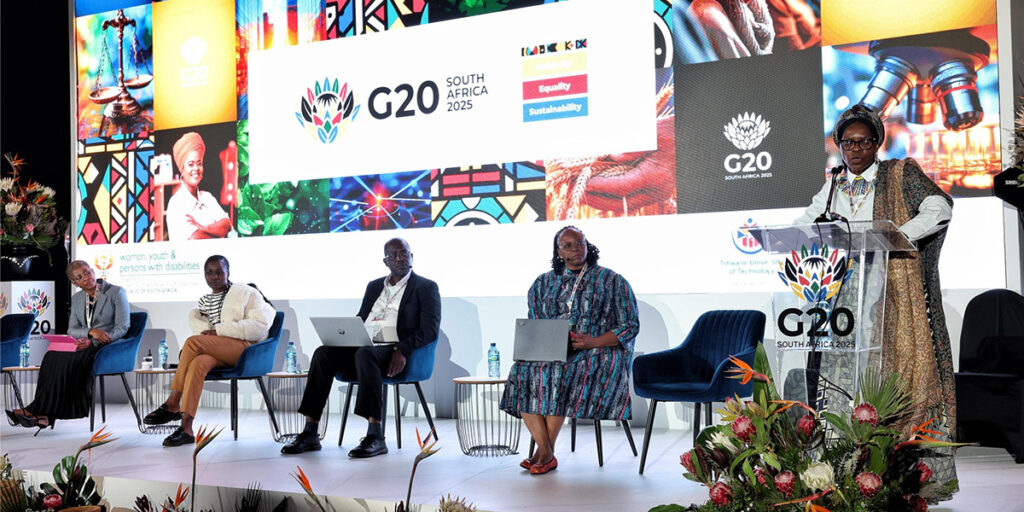
A cornerstone of this commitment was the Youth & G20 Capacity-Building Workshop, held on 27–28 February 2025 in Johannesburg. Co-hosted by national and international stakeholders—including UN Women and local civic organisations—the workshop brought together a diverse group of young leaders from across South Africa.
Its goal was simple but transformative: equip young people to meaningfully engage in policymaking and to shape the future of global development, particularly in education, gender equality, and economic inclusion.
A Platform for Youth Voices and Global Dialogue
The Youth & G20 Capacity-Building Workshop was more than a symbolic gathering. It was a structured, participatory platform where young leaders were given tools, mentorship, and space to voice their perspectives on global issues. Many participants had already been active in civil society, student unions, or grassroots activism. However, few had previously engaged directly with global policymaking processes like the G20.
Over the two days, sessions focused on:
- Understanding the G20 structure and how it functions.
- Strategies for influencing global and national education policy.
- Gender-inclusive policy development.
- Digital innovation as a tool for inclusion and empowerment.
The workshop reaffirmed a simple truth: young people are not future leaders—they are current leaders with the right to influence the systems shaping their world.
The Role of Youth in Shaping Education Policy
One of the key themes was education—not just access to it, but the quality, purpose, and adaptability of the system itself. Young participants called for:
- A more inclusive, Afrocentric education model.
- Curriculum reform that promotes digital literacy and entrepreneurial thinking.
- Integration of mental health support within schools and higher education.
- More funding and accessibility for TVET and STEM-based education.
They emphasised that youth policy engagement must extend beyond consultation to real inclusion in policy-making processes. For many, this meant pushing for the establishment of youth advisory boards in education departments, or representation in curriculum development bodies.
Lessons from the Youth & G20 Capacity-Building Workshop
Here are some of the most important lessons that emerged:
- Policy Literacy is Power
Young people must be taught how policy is made, how to navigate bureaucratic systems, and how to influence them. When youth understand these mechanisms, they become more confident advocates for change.
- Intersectionality Matters
No policy is effective unless it considers gender, race, class, and geographic disparities. Young people—especially from marginalised communities—must be at the table when policies are developed.
- Mentorship and Institutional Support are Crucial
Government and civil society must create consistent mentorship channels to support youth leaders in policy and advocacy work. This includes training, funding, and access to networks.
- Youth Deserve a Seat at the Table
Participants were united in the belief that tokenism must end. Including youth in policymaking isn’t about appearances; it’s about recognising their lived experiences and unique insights.
- Education Must Be Future-Ready
Participants echoed what has been seen in global research—education systems are often outdated and out of sync with economic realities. Policy should shift toward skills-based, adaptive, and inclusive education.
How Youth Can Shape the Future of Education
Here are practical steps South African youth can take to play a more active role in transforming education:
- Organise Locally: Join or start youth forums that engage directly with school boards, university councils, or local education departments.
- Engage Digitally: Use social media and online platforms to advocate, educate, and mobilise around education reform.
- Collaborate with Civil Society: Many NGOs and community-based organisations welcome youth-led initiatives. Build alliances for greater impact.
- Push for Youth Representation: Campaign for formal roles for youth in curriculum development, education budget consultations, and innovation councils.
- Develop Solutions: Don’t wait for policymakers to act—develop pilot programmes, tech tools, or tutoring initiatives that solve real problems in schools.
South Africa’s Moment to Lead
With the G20 presidency, South Africa has a unique opportunity to champion global youth inclusion. This means more than hosting workshops—it means following through. It means prioritising youth policy engagement in every policy platform, from education to employment.
For the young people who attended the Youth & G20 Capacity-Building Workshop, the experience was both educational and empowering. They left with action plans, new networks, and a deeper sense of their place in the global ecosystem. They also made it clear: the future is not something they are waiting for—it is something they are building.
Leading the Charge for Change
The 2025 Youth & G20 Capacity-Building Workshop was a masterclass in what happens when young people are empowered with tools, knowledge, and access. The lessons learned will continue to shape policy discussions, especially in the lead-up to the G20 Summit in November.
South African youth are not only ready to engage—they are leading the charge for global change and transformation. And at the heart of their mission lies a powerful commitment to reshaping education, equity, and opportunity across the continent.