The Age of AI is no longer a distant concept. It is here, reshaping how learners are taught, how teachers prepare, and how schools operate. Across South Africa, education is entering a new era where artificial intelligence (AI) tools and technologies are becoming part of everyday learning.
From May to August 2025, the country witnessed several key developments that signalled this shift. These changes touched policy, curriculum, teaching methods, and even how learners think about their future careers.
Education in Transition
South Africa’s education sector has faced challenges for years. Large class sizes, teacher shortages, and unequal access have made learning more difficult for many. Yet recent months have shown encouraging signs of progress.
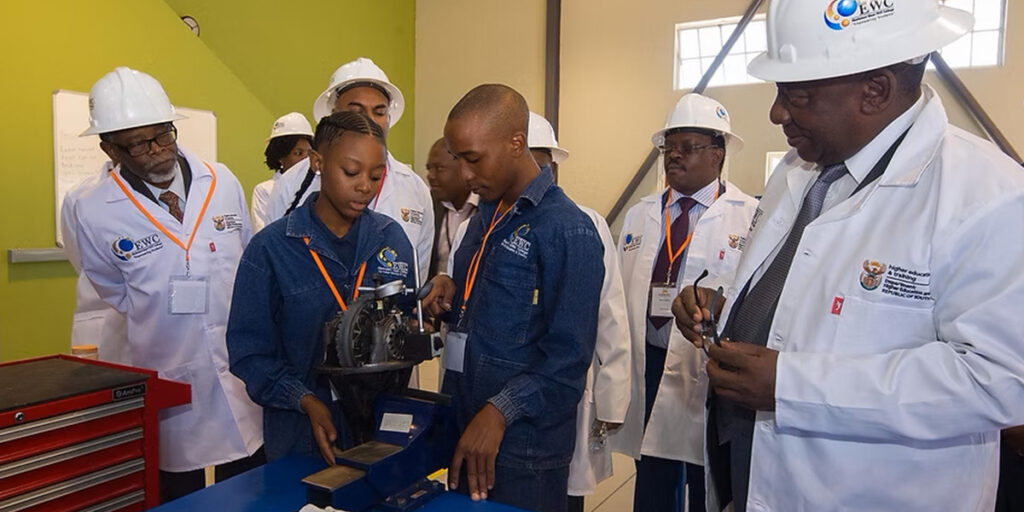
The Department of Basic Education introduced updated digital learning strategies, including training teachers to use AI-assisted tools in classrooms. Learners are also being exposed to coding, data literacy, and basic machine learning concepts in selected schools.
AI in the Curriculum
In July 2025, the Department of Basic Education piloted AI-related modules in Grade 10 and 11 classrooms. These modules introduced coding basics, ethics of AI, and how technology is reshaping society.
Some schools experimented with adaptive learning platforms powered by AI. These platforms adjusted lessons in real time based on each learner’s pace and performance. By doing so, the system made learning more personal, particularly in under-resourced schools where teachers are stretched thin.
Although still in the early stages, these initiatives showed how the Age of AI is influencing what gets taught and how it is delivered.
Mid-Year Matric Results and Technology
The 2025 mid-year matric results revealed a slight national improvement in Mathematics and Physical Sciences. While performance varied by province, schools using blended learning tools and digital revision platforms reported stronger outcomes.
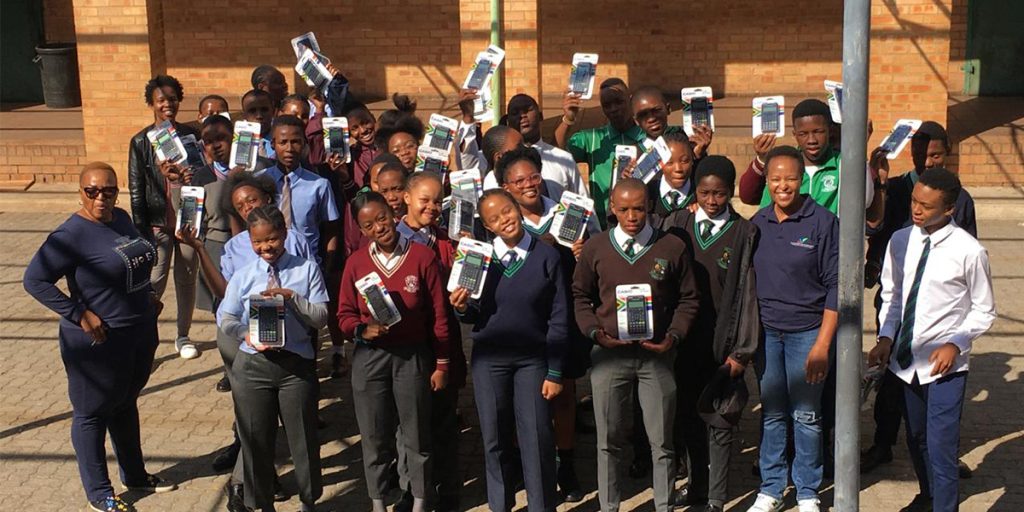
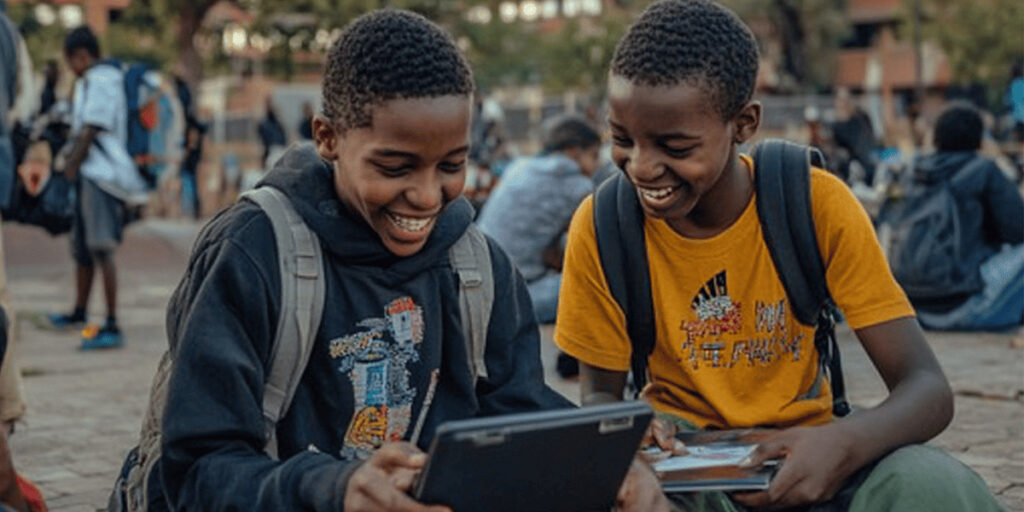
In FutureSA Foundation’s winter school camps, learners worked with offline digital tools to reinforce their core subjects. These tools tracked learner progress, helping tutors provide targeted support. Learners said technology gave them a sense of control and allowed them to revisit challenging topics as often as needed.
Teachers are Learning Too
AI is not replacing teachers. Instead, it is helping them become more effective.
In May, the Gauteng Department of Education hosted workshops to train teachers on AI-assisted planning and grading tools. These reduced administrative workload, giving teachers more time to focus on direct instruction.
In rural classrooms, teachers experimented with voice-to-text applications that translate lessons into multiple languages. This made classrooms more inclusive and gave learners a better chance to succeed. The Age of AI is changing how teachers approach their role as much as it is changing how learners study.
Risks and Realities
While AI brings clear benefits, it also raises concerns. Many schools still lack devices, reliable internet, or enough digital literacy. There is a risk that the digital divide will widen between urban and rural learners.
Privacy is another challenge. Schools must safeguard how student data is collected and used. If handled poorly, AI systems could reinforce bias or limit creativity rather than promote it.
For these reasons, FutureSA Foundation supports digital literacy not only for learners but also for parents and communities. Understanding the tools is vital for safe and fair use.
The Role of Policy
South Africa’s participation in global forums, including the 2025 G20 Education Working Group, reflects a growing focus on responsible AI use in education.
Policy discussions now emphasise integrating 21st-century skills such as critical thinking, collaboration, and ethical reasoning into the curriculum. These are skills that machines cannot automate, even in the Age of AI.
Policies must ensure AI enhances learning while preserving the human connection between teachers and learners.
The Future of South African Classrooms
So what does all of this mean for everyday classrooms?
It could mean a Grade 9 learner in Limpopo using an app to practise algebra, with instant personalised feedback. It could mean a Grade 12 student in Cape Town applying for university with the help of an AI chatbot. And it could mean a teacher in KwaZulu-Natal preparing a lesson plan in minutes, with materials available in several languages.
These small shifts add up to significant transformation. Together, they point toward a future where education is smarter, more inclusive, and tailored to learners’ needs.
Embracing the Age of AI with Purpose
The Age of AI is already shaping South African education, from classrooms to curriculum. The question is not whether it will happen but how it will be guided.
The challenge is ensuring these changes benefit all learners, not just a select few. That requires investment in infrastructure, teacher training, and inclusive tools. It also requires teaching learners to not only use AI but to question it, challenge it, and improve it.
FutureSA Foundation believes that balance is key. Technology should support teachers, not replace them. AI should enhance creativity, not limit it. Learners should be prepared for a future where they can use these tools responsibly and effectively.
Education is not just about tools. It is about transformation. And in the Age of AI, that transformation has already begun.