You just have to love the way South Africans learn is changing. Classrooms that once relied only on chalkboards and textbooks are now embracing technology. From online platforms to blended teaching models, digital learning is becoming central to the education system.
This shift is not just about devices; it is about opening opportunities, reducing barriers, and preparing learners for a technology-driven future.
Why Digital Learning Matters
South Africa faces significant educational challenges. Many schools struggle with overcrowded classrooms, a shortage of skilled teachers, and limited access to resources. Digital learning provides part of the solution.
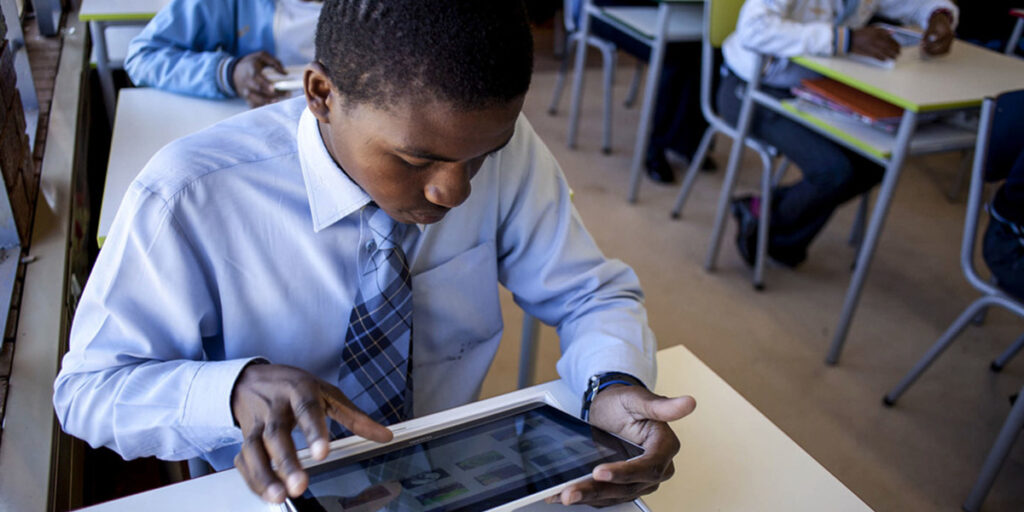
With laptops, tablets, and mobile phones, learners can access interactive lessons, video tutorials, and past exam papers online. Platforms powered by artificial intelligence and adaptive learning adjust to each learner’s pace, offering personalised support.
For teachers, digital tools save time on administrative tasks, allowing them to focus on direct instruction. They also create opportunities for collaboration and innovation in the classroom.
Integration of Technology in South African Classrooms
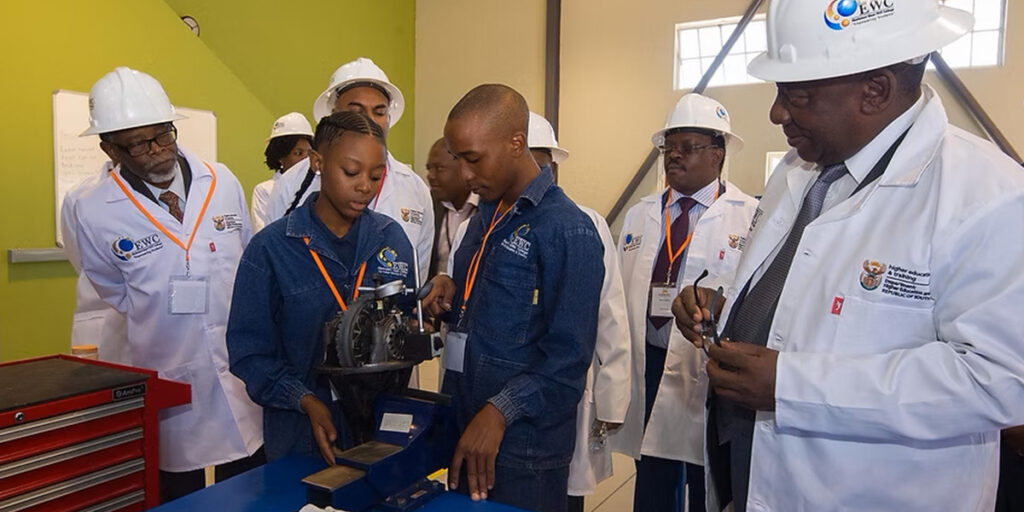
Over the last three years, the Department of Basic Education has expanded initiatives that encourage schools to adopt digital tools. Coding and robotics are gradually being introduced in schools, while more learners are gaining access to online resources.
At FutureSA Foundation, we have seen first-hand how these tools transform academic outcomes. During our winter school camps, learners used offline digital platforms to revise Mathematics and Science. This helped them practise exam techniques and develop confidence in their abilities.
Teachers also benefited. With access to digital material, they could track learner progress more effectively and identify areas where additional support was needed.
Bridging the Digital Divide
Despite progress, South Africa continues to face a digital divide. Learners in urban schools often have better access to technology than those in rural or township areas. Digital learning can only succeed if every learner has the chance to connect, regardless of where they live.
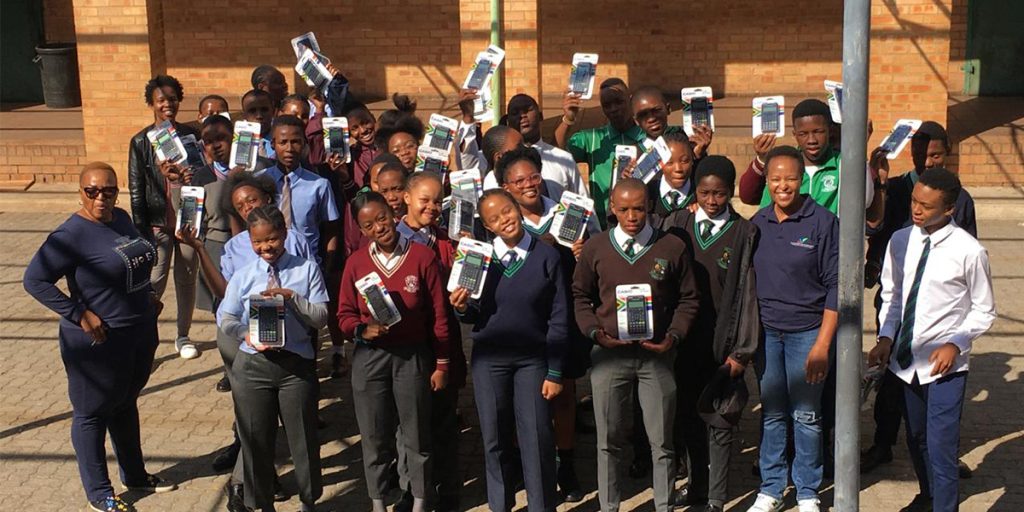
This is why FutureSA Foundation invests not just in teaching but also in access. At the end of each year, we hold a prize-giving ceremony to celebrate learners who have performed well. Beyond recognising excellence, this event helps bridge inequality.
Prizes include laptops, tablets, and mobile phones—tools that enable learners to continue their digital journey outside of the classroom. By giving these devices, we ensure that outstanding learners have the resources to keep excelling.
For many, it is the first time they own a personal device. The impact extends far beyond academics. Learners use the devices to research careers, complete applications, and even explore entrepreneurial opportunities.
Success Stories
One learner from KwaZulu-Natal, who attended our Accelerated STEM Winter Camp, described receiving a tablet as life changing.
“I no longer have to borrow someone’s phone to search for past papers. Now I can study whenever I want.”
Another learner from Gauteng, awarded a laptop at the annual prize-giving, shared how it helped her apply for bursaries and prepare university applications online.
These stories show how combining digital learning with access to technology creates lasting opportunities for growth.
The Future of Digital Learning in South Africa
The transformation of education through technology is only beginning. As connectivity expands and more schools adopt blended learning models, digital learning will play a bigger role in shaping the future workforce.
But progress requires ongoing commitment. Infrastructure must improve, teachers must be supported, and learners must be equipped with devices. FutureSA Foundation remains committed to championing this cause by combining innovative teaching methods with practical tools that unlock opportunity.
Advancing Digital Learning
Digital learning is no longer optional; it is essential. It is transforming the quality of education in South Africa by making learning more accessible, interactive, and personalised.
Through our programmes and prize-giving ceremonies, we ensure that learners not only gain knowledge but also have the tools to continue learning. Every laptop, tablet, and phone handed over is more than a prize—it is an investment in the future of South Africa.
At FutureSA Foundation, we believe that when learners have access to technology, they gain access to possibilities. And with that, we can build a brighter, more equitable tomorrow.